
US Marine Corps Series
Total Sets
69
Active
24
Retired
45
United States Marines WWII Pacific Theater
US Marine Corps focuses on the Marines in the Pacific war of the Second World War. It is a natural home for amphibious assaults, island battles, and the uniforms and equipment associated with Marine operations.
Collector identification guide
Identify the Marine’s equipment before assigning a scene
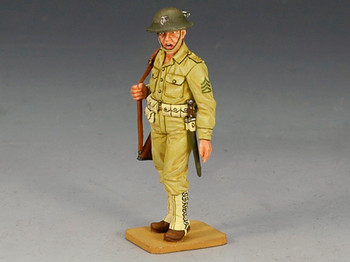
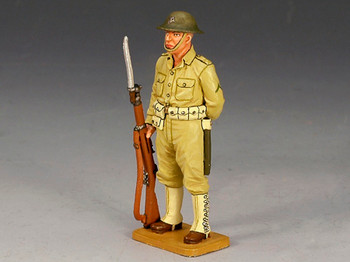
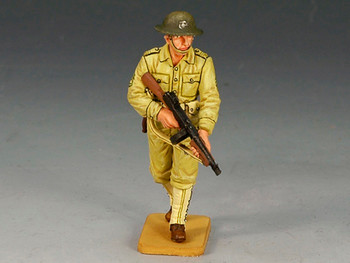
A service-branch title is broader than an individual release. The early USMC entries distinguish command, weapons and poses; those details are more useful than a generic “Pacific Marine” label.
Read the three release comparisons and source references
Two different machine-gun subjects
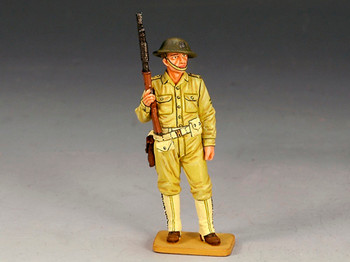
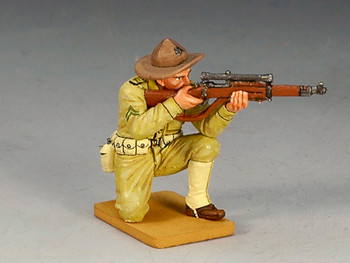
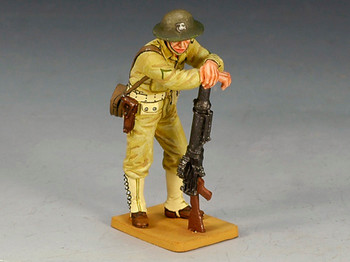
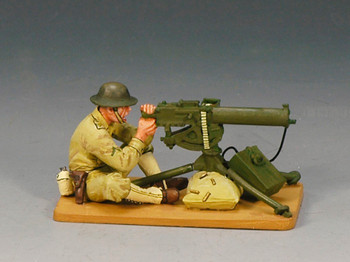
USMC005 is the Lewis-gun subject, while the USMC009 reference describes a water-cooled .30-caliber Browning. Match the weapon’s form and the figure’s pose with the reference. A shared “machine gunner” listing title does not make their values directly comparable.
Officer and resting gunner
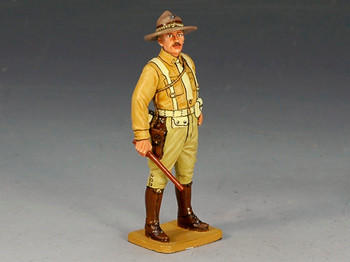
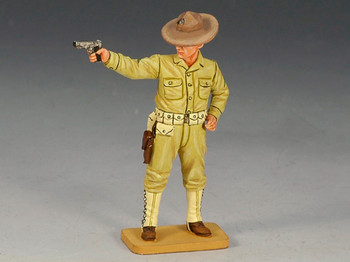
The officer’s reference mentions a swagger stick; the Lewis gunner’s description presents a resting subject. Compare these details in the actual seller photographs. A scene with both can be a collector’s arrangement without being an original two-figure release.
Keep campaign attribution separate
The USMC prefix alone cannot establish an island, date or unit. Use the release-specific equipment and documentation before assigning a historical display label. Record any added scenery, extra ammunition carriers or vehicles separately from the named release.
Prepared by Operation ToyBox from release titles and linked dealer reference descriptions, editorial notes updated 2026-09-17. Open each reference for its individual evidence and review date. These are identification comparisons, not hands-on condition reports. Open each record for its source and verify the actual specimen before purchase.
Search US Marine Corps Sets
Search the complete series by set code or title.
40 of 69 sets
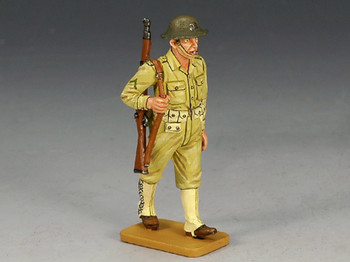
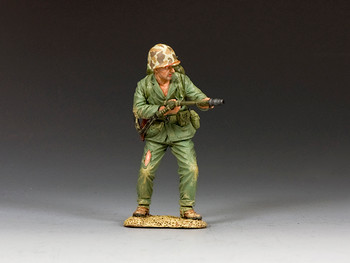
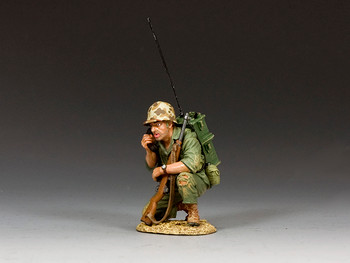
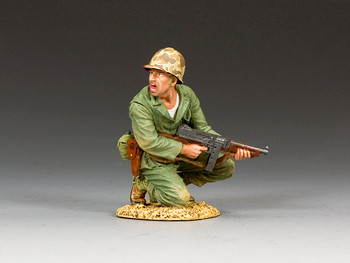
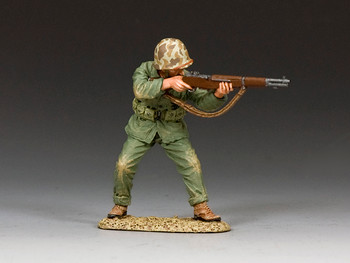
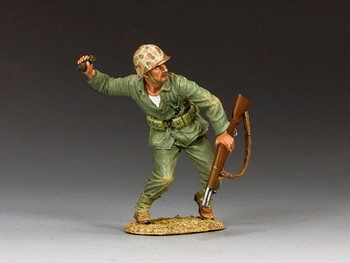
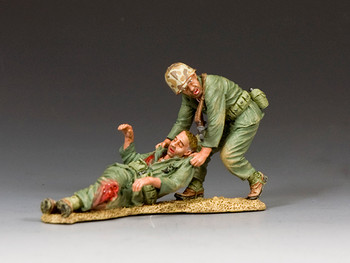
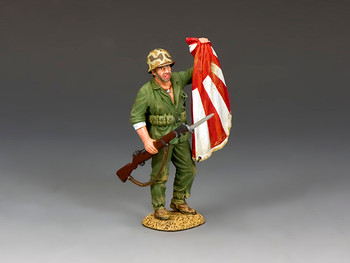
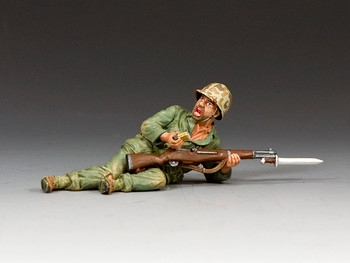
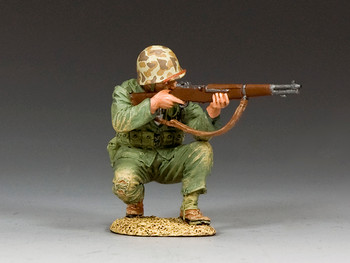
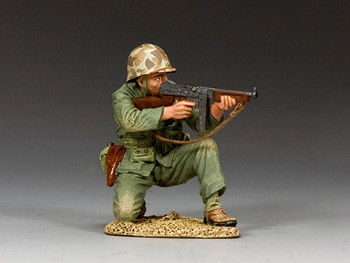
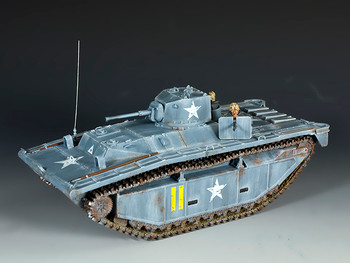
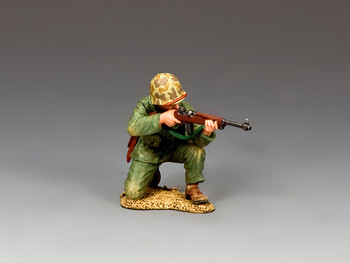
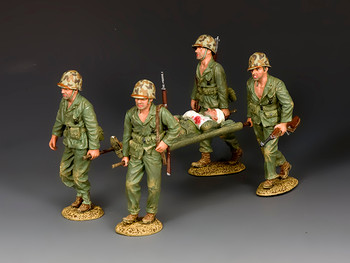
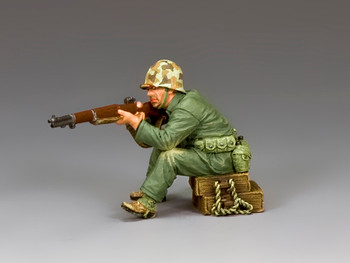
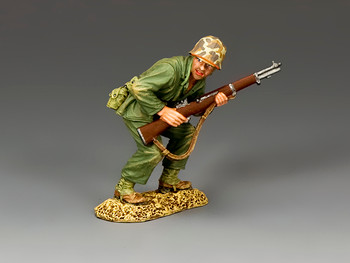
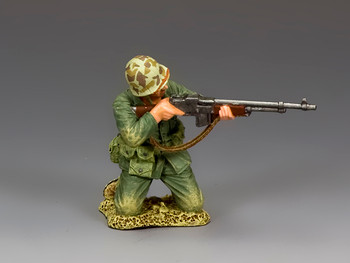
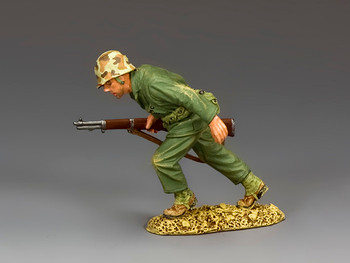
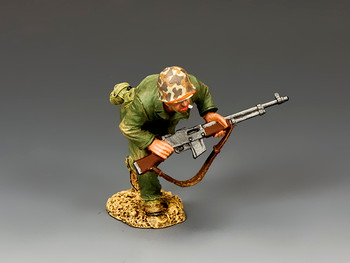
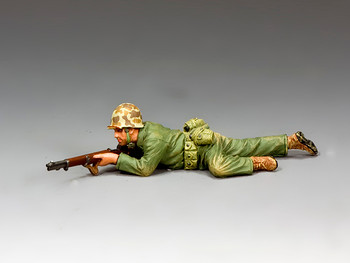
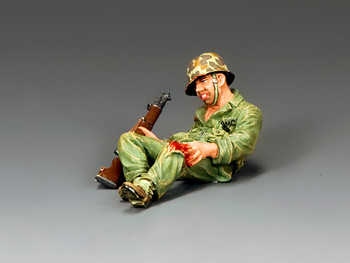
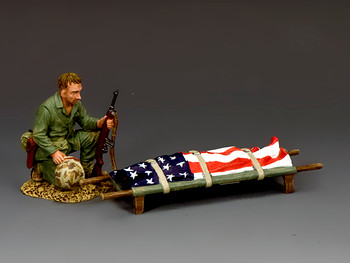
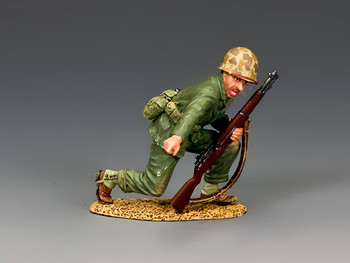
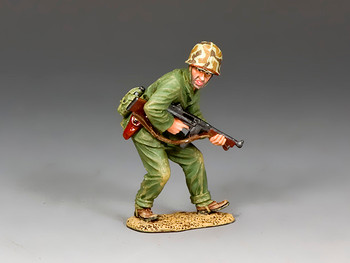
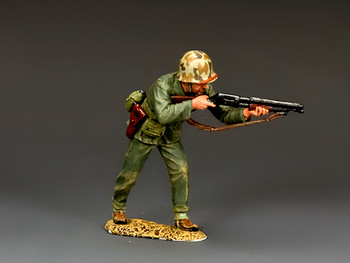
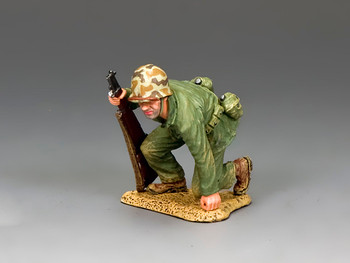
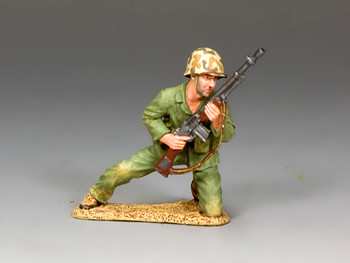
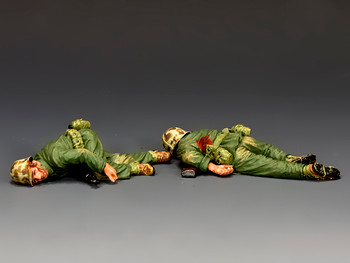
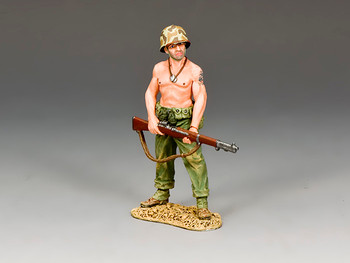
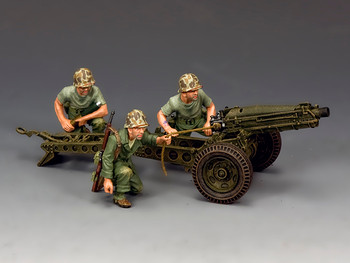
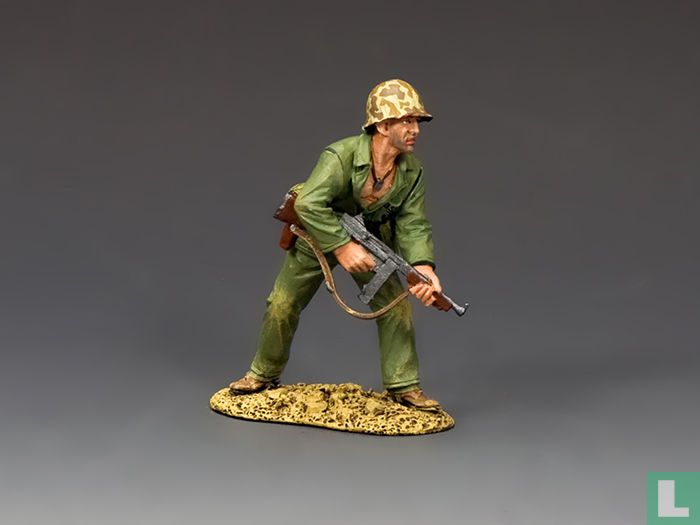
About The US Marine Corps King & Country Catalog
What You Can Learn From This Series Page
Every card includes the manufacturer, set code, title, recorded retirement status, catalog count, and type. That makes the page useful as a quick identification guide when matching eBay listings, checking old dealer references, or comparing similar sets from the same series.
How Collectors Typically Use It
Collectors usually start here to verify whether a listing belongs to the US Marine Corps line, check the recorded contents, and distinguish catalog status from current availability before moving into live price and listing research.